

Building the Future by Recycling the Past
Through persistent efforts, our experts have developed recycled low-carbon aluminum PremiAL, which reduces the reliance on new aluminum ingots.
Years of efforts culminate in recycled, low-carbon aluminum
Naoki Ikegami,
General Manager of the Aluminum Extrusion Division,
LIXIL Housing Technology
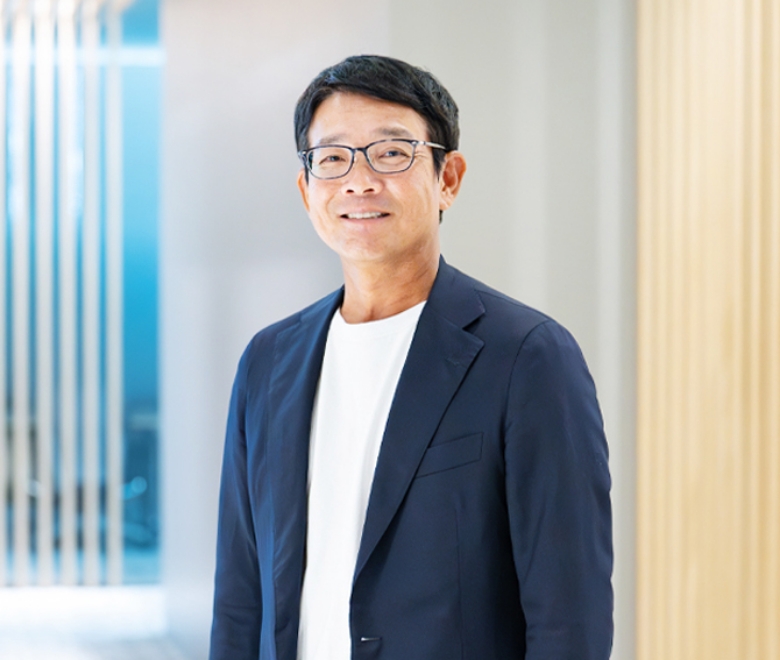
LIXIL began recycling aluminum about 30 years ago, long before the term “carbon neutral” became popular. Our early efforts were not specifically for decarbonization, but to use precious aluminum resources more efficiently.
In the beginning, we recovered end-of-life aluminum sashes with screws, locks and other parts still attached, removed them by hand and sorted them for recycling. Later, as we increased our recycling rate, we asked partner companies to help with collection, dismantling and sorting, and now have a stable supply of high-quality raw materials from all over Japan.
Aluminum recycling, which has immense potential to reduce CO2emissions, is critical to realizing a decarbonized society.
Whenever we identify opportunities that could help address environmental challenges, we take a long-term perspective rather than focusing solely on short-term economic returns.
This approach defines LIXIL’s mission as a company centered on aluminum.
Built on years of experience and strong partnerships
Naoya Tanaka,
Aluminum Extrusion Division,
LIXIL Housing Technology
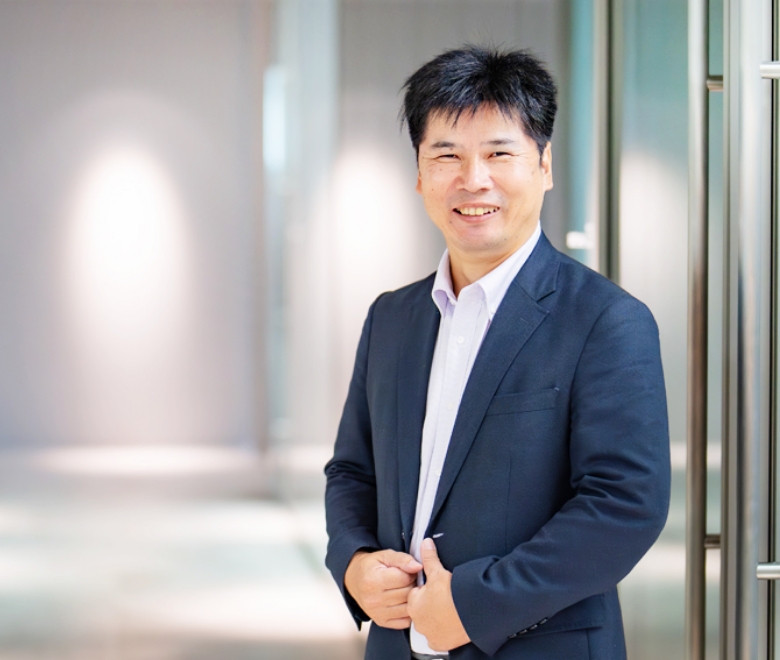
The most difficult technical challenge was not only to increase the recycling rate, but also to ensure that the composition of the recycled aluminum was exactly the same as that of new aluminum. To achieve this, we needed a technology that could efficiently and thoroughly remove iron, stainless steel, zinc and other dissimilar alloys from the recovered materials.
Between 2009 and 2012, LIXIL worked with Waseda University and other organizations on a NEDO (New Energy and Industrial Development Organization) funded project to develop sorting technologies to remove impurities from end-of-life aluminum sashes. Since then, the company has continued its own research and development, and is now able to produce recycled aluminum with quality and performance on par with that of primary aluminum.
The successful mass production of PremiAL R100, made with 100% recycled aluminum, was a deeply rewarding moment and I felt truly grateful to have been involved in its development.
Our achievements were built on years of experience and strong partnerships. Looking ahead, we will continue our research with the goal of contributing to global CO2 emissions reduction and expanding the adoption of our recycled aluminum beyond Japan to markets worldwide.
Catalyzing closed-loop resource systems worldwide
Kenji Hosoi,
Sustainability Planning Promotion Department,
LIXIL Housing Technology
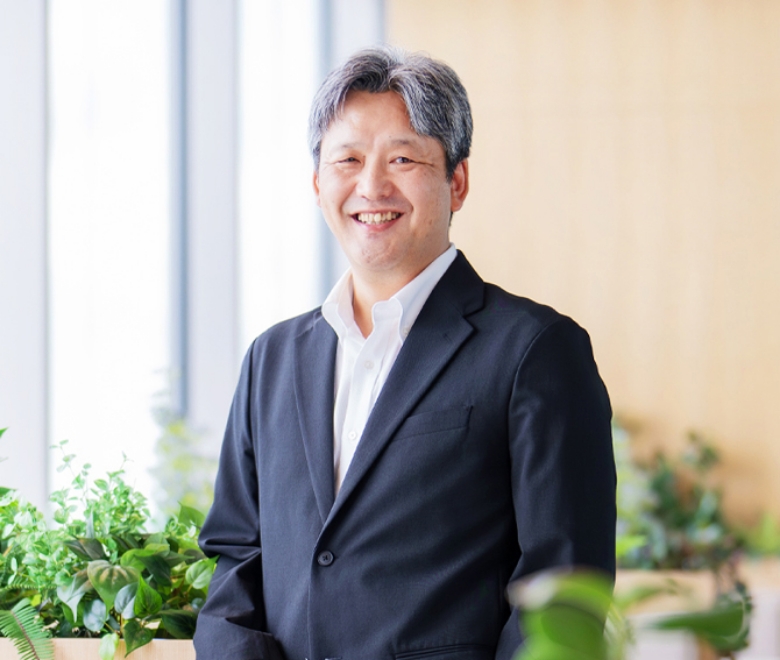
We are also actively promoting the use of recycled materials for resin and wood used in our products, and we aim to increase the ratio of recycled aluminum used in our housing business to 100% by FYE2031.
For both large buildings and residential housing, LIXIL is working to reduce operational carbon through a range of initiatives. I believe we have made significant progress by lowering energy use through measures such as highly-insulated construction methods and windows, while promoting solar power and other renewables, with the aim of achieving net-zero energy consumption.
Today, only two major aluminum producers in Japan are reportedly able to produce aluminum using 100% recycled materials.*1
The use of PremiAL products can help construction firms, building-material manufacturers, developers, and building owners significantly reduce embodied carbon. Buildings have many environmental impacts throughout their entire life cycle, from construction through demolition.
By focusing on buildings that people encounter in their everyday lives, we aim to share more broadly how decarbonization efforts are steadily advancing.
*1 Based on LIXIL research as of March 2024
